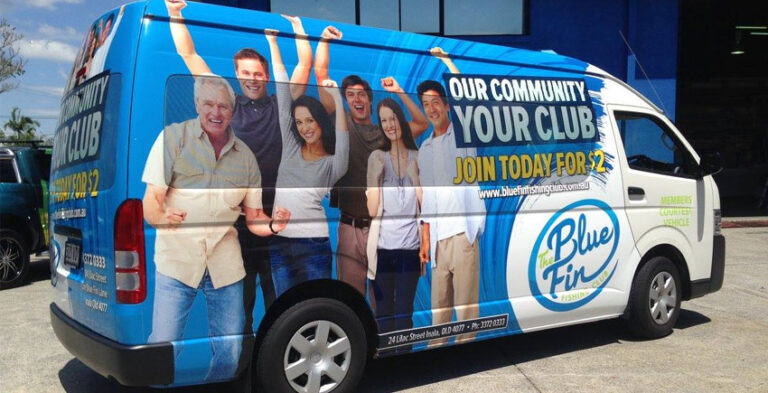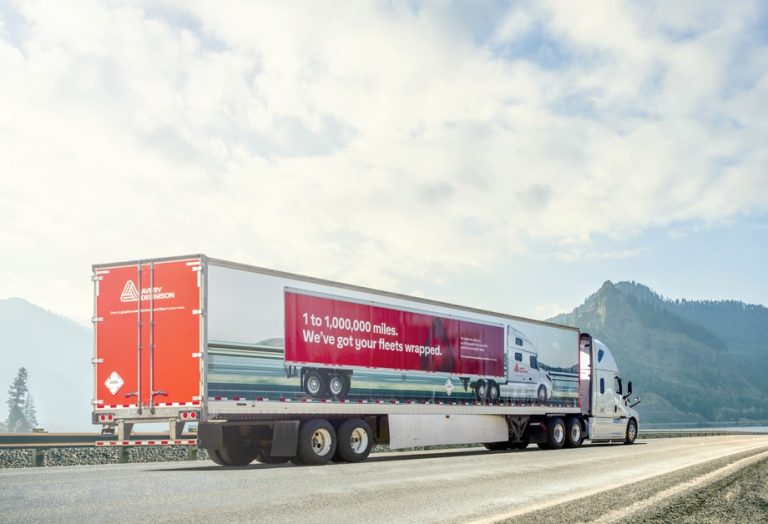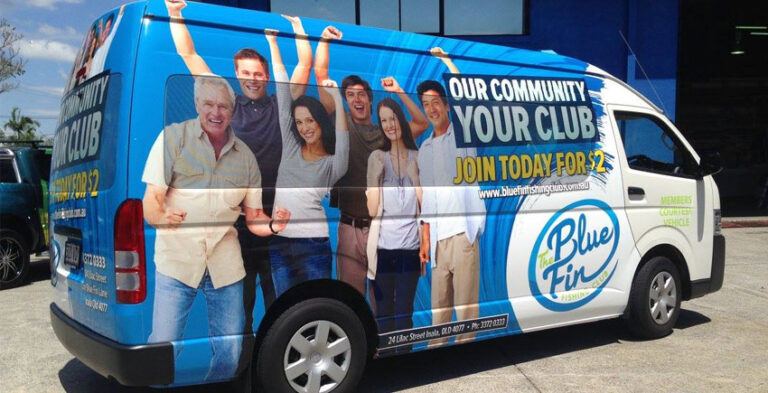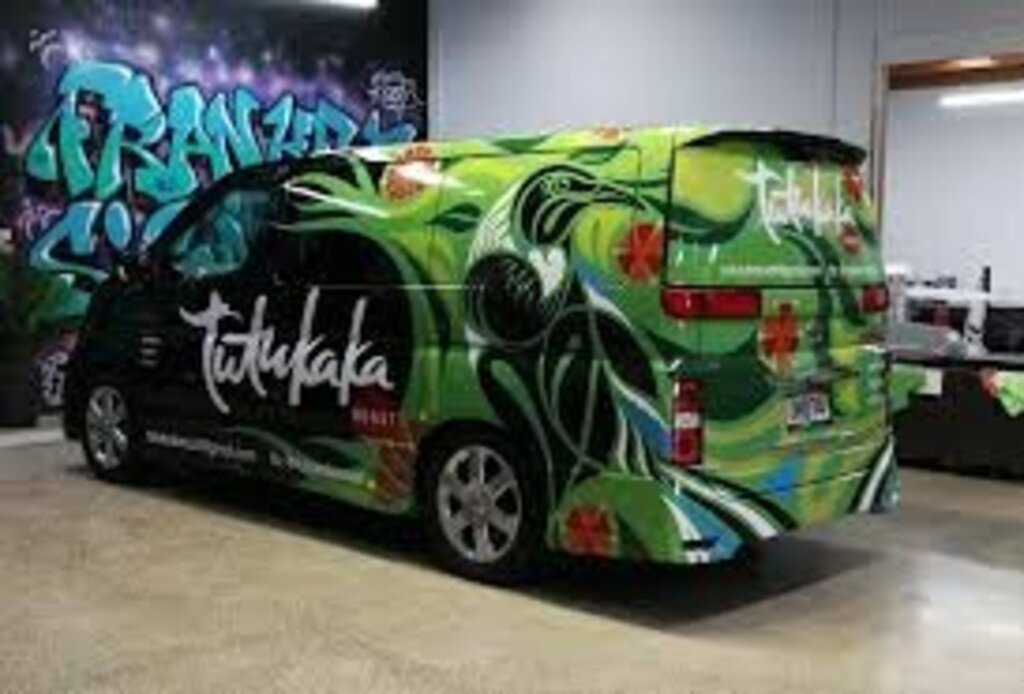
A full car wrap and a partial car wrap can both carry a professional business identity, but they solve different visual problems. A full wrap offers an almost continuous branded surface. A partial wrap concentrates graphics where the message matters most. Choosing between them starts with the vehicle, your brand design and how the car will actually be used.
This guide focuses on coverage and practical design differences, not generic advertising benefits. For finished graphics, the design should suit the specific vehicle rather than rely on a one-size-fits-all template. Practical planning matters as much as appearance: messages need to stay readable, the installation surface must be suitable and relevant safety features need to remain unobstructed.
What counts as a full wrap?
A full wrap typically covers most suitable painted exterior panels with coloured or printed adhesive film. It allows a large connected composition across the body, which can work for distinctive promotional visuals or a strong colour-led brand. Panels still have edges and complex curves, so the design should account for joins, door openings and fittings. Not every piece of trim is necessarily wrapped, and the final coverage should be specified before production.
Where partial wrapping works best
Partial wrapping focuses on selected panels, such as the doors, rear quarters or bonnet, while using the vehicle’s existing paint colour as part of the composition. It can work particularly well when that body colour already fits the brand palette. Instead of stretching a graphic across every contour, the designer creates a concentrated message in a few highly visible areas. Partial graphics need intentional boundaries so the design appears finished, not cut off.
Readability on a moving car
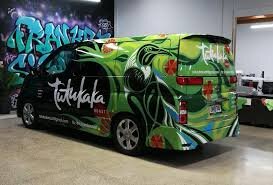
A full-coverage artwork can carry large shapes, but it also creates opportunities for clutter. On a moving vehicle, a few recognisable elements are more useful than paragraphs of text or complicated image collages. A partial wrap often creates natural contrast between a clean vehicle surface and the branded panel. Test both treatments by reducing a mockup to thumbnail size and checking whether the company name remains immediately recognisable.
Designing around seams and curves
Both applications must account for door gaps, handles, mirrors, bumper contours, fuel caps and changes in panel direction. A logo positioned across an opening may distort or become partially hidden. Printed photography is especially vulnerable when the main subject crosses a seam or wheel arch. Place important words on flatter sections and let secondary colour or textures carry across complex areas.
Care and ongoing use
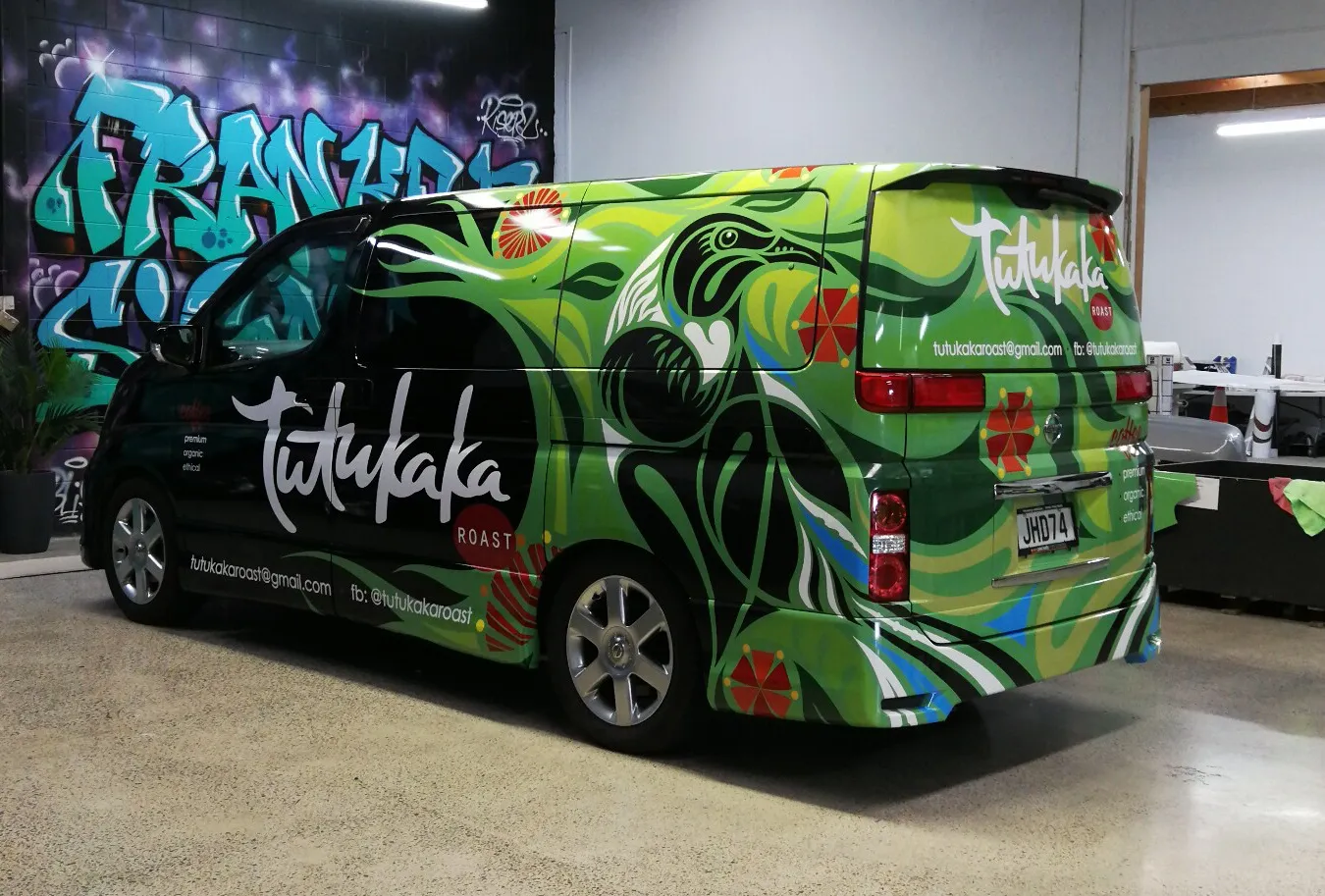
Vehicle-wrapping films require suitable application surfaces and appropriate maintenance. Avoid aggressive cleaning methods or anything that could lift exposed edges; follow the specific manufacturer’s advice for the product used. A damaged panel may be more straightforward to address when the original artwork and film specifications have been retained. Ask how future door replacements or body repairs would affect the design before finalising a long-term branding system.
A practical choice for different business vehicles
A service technician’s car may only need clear side and rear graphics, while a campaign vehicle may suit broader visual coverage. If several vehicles will be branded, consider whether their shapes and colours can share a consistent treatment. Compare a full-wrap and partial-wrap mockup on the actual model rather than choosing from a generic sample. The most useful option is the one that communicates your identity clearly without compromising practical vehicle use.
Checklist before you approve the artwork
- Identity: Check the company name, vector logo, brand palette and typography for consistency.
- Vehicle: Identify the exact model, body colour, panel condition, door openings and accessories.
- Message: Put the most important service or brand claim first, and keep the wording concise.
- Layout: Review both sides and the rear at a distance as well as close up.
- Practicality: Avoid obscuring vehicle lighting, registration details, driver sightlines and safety features.
- Approval: Confirm spelling, contact details and final artwork placement before installation.
Frequently asked questions
Does full wrapping mean every surface is covered?
Not necessarily. Exact coverage depends on the agreed scope, film and practical suitability of each vehicle component.
Can partial wrapping look like a complete design?
Yes. Using the vehicle’s paint colour deliberately as part of the layout creates a coherent result.
Can logos cross door seams?
They can be designed across panels, but the appearance changes when doors open, so vital wording should avoid these areas.
Which is better for a small company car?
Neither is automatically better. Choose based on visual hierarchy, vehicle colour, artwork and the amount of coverage needed.
Putting the design into practice
Make the decision from the way your vehicle is actually used and what a potential customer needs to recognise. Choose clarity over an overcrowded layout, keep the brand consistent with other business materials and review final placement on the real body shape. Kayma Signs can discuss the desired vehicle graphics and the information needed to develop a suitable design.
Explore car wrapping services, compare related car branding and send your vehicle details for a project enquiry.
Practical business applications and design decisions
Scenario: a car with a helpful factory paint colour
A company with a white vehicle and a brand palette built around dark blue can use the original paint as a major part of the design. A partial wrap on the doors and rear quarters may look complete because the unwrapped sections provide useful contrast. On another car with a bold red body, the same brand treatment might need an adjusted colour field to remain legible. It is worth seeing real-colour mockups before deciding how the wrap should cover the body.
Scenario: promotional artwork requiring continuous imagery
A business running a distinctive visual campaign may want an illustrated motif that flows from one side panel to another. In that case, broader wrapping can support the composition. The artwork must still be adapted around door handles, bonnet lines, bumper contours and wheel arches. Avoid placing a person’s face or critical words across a difficult seam. Even when coverage is extensive, reserve a clean area for the company identity so the graphics do not overwhelm the message.
Scenario: an operational car with regular body repairs
If a vehicle works in environments where panels may need replacement, discuss how the graphic design can be reproduced on individual sections. Store the artwork, any approved colour references and the film information. A heavily connected composition may need careful matching after panel repairs, whereas a more modular treatment may be easier to adapt. Neither approach is universally preferable; consider the vehicle’s expected working life and use alongside the visual result.
A method for comparing the final proofs
Request views of the full-wrap and partial-wrap concepts from the left, right and rear, using the actual model and body colour. First compare company-name visibility, then check contact information and physical compatibility with the car. Review the proposed locations of logos, join lines and window areas. Look at the artwork from a distance and reduce the mockup on screen. Choose the version that communicates most clearly in real viewing conditions rather than counting the number of decorated panels.