
Introduction
In today’s fast-paced world, the choice between digital and traditional printing methods can significantly impact your business’s efficiency, costs, and overall output quality. Understanding the strengths and weaknesses of each approach is essential for making informed decisions that align with your business goals.
Understanding Digital Printing
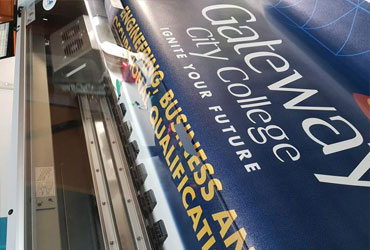
Digital printing is a modern marvel, offering unparalleled speed and flexibility. Using advanced printers linked directly to computers, digital printing eliminates the need for costly setup processes associated with traditional methods. Each print can be customized effortlessly, making it ideal for short print runs and personalized materials.
Exploring Traditional Printing
Traditional printing, on the other hand, boasts a rich history and unparalleled quality. Techniques such as offset lithography have been honed over centuries, delivering crisp, consistent results on a wide range of materials. While setup costs can be higher and turnaround times longer, traditional printing shines in large-scale projects where quality and durability are paramount.
Cost Analysis
One of the most significant factors influencing the choice between digital and traditional printing is cost. Let’s break down the expenses associated with each method to help you determine the most cost-effective solution for your business.
Digital Printing Costs
Digital printing offers cost advantages for short print runs due to minimal setup requirements. With digital printing, you only pay for the exact quantity of prints you need, eliminating waste and reducing overall expenses. Additionally, variable data printing allows for personalized content without incurring additional costs for customization.
Traditional Printing Costs
While traditional printing may have higher setup costs, it becomes more economical for large print runs. Once the setup is complete, traditional printing can produce high volumes of prints at a lower cost per unit compared to digital printing. However, businesses must consider factors such as plate production and setup time when assessing overall expenses.
Turnaround Time
In today’s fast-paced business environment, turnaround time is a critical consideration for many projects. Let’s compare the turnaround times of digital and traditional printing to help you meet tight deadlines without compromising quality.
Digital Printing Turnaround
Digital printing excels in rapid turnaround times, thanks to its streamlined process and minimal setup requirements. With digital printing, you can go from file to finished product in a matter of hours, making it ideal for time-sensitive projects or last-minute revisions. This agility enables businesses to react quickly to market demands and capitalize on opportunities with short lead times.
Traditional Printing Turnaround
Traditional printing typically requires longer lead times due to setup processes such as plate production and color calibration. While the actual printing phase may be efficient, the upfront preparation can extend project timelines significantly. Businesses must factor in these lead times when planning print projects to ensure timely delivery and avoid potential delays.
Print Quality and Versatility
When it comes to print quality and versatility, both digital and traditional printing have unique strengths. Let’s examine how each method performs in terms of output quality, materials compatibility, and customization options.
Digital Printing Quality
Digital printing offers impressive print quality, especially for short print runs and variable data projects. With advancements in technology, digital printers can achieve vibrant colors, sharp text, and intricate details, rivaling traditional printing in many cases. Additionally, digital printing supports a wide range of materials, including paper, cardstock, and synthetic substrates, making it suitable for various applications.
Traditional Printing Quality
Traditional printing is renowned for its exceptional print quality and versatility across different materials and formats. Techniques like offset lithography produce crisp, consistent results with precise color reproduction and fine detail resolution. Traditional printing also offers a broader selection of specialty inks, coatings, and finishes, allowing for enhanced customization and tactile effects.

Choosing the Right Option for Your Business
In conclusion, the choice between digital printing and traditional printing depends on your specific requirements, budget constraints, and project objectives. While digital printing offers speed, flexibility, and cost-effective solutions for short print runs and personalized materials, traditional printing excels in producing high-volume prints with unmatched quality and durability.
Consider factors such as project scope, turnaround time, print quality, and budget when selecting the printing method that best aligns with your business needs. By evaluating the pros and cons of each approach, you can make informed decisions that optimize efficiency, maximize impact, and drive success for your business.
FAQs
1. What types of projects are best suited for digital printing?
Digital printing is ideal for short print runs, variable data projects, and materials requiring quick turnaround times. It’s commonly used for brochures, flyers, business cards, and personalized marketing materials.
2. Can traditional printing accommodate custom finishes and specialty inks?
Yes, traditional printing offers a wide range of customization options, including specialty inks, coatings, and finishes. Techniques like offset lithography allow for precise color matching and tactile effects, making it suitable for high-end print projects.
3. How does digital printing compare to traditional printing in terms of environmental sustainability?
Digital printing often generates less waste and consumes fewer resources compared to traditional printing methods. With digital printing, you can produce exact quantities without overages or leftover inventory, reducing overall environmental impact.
4. Is digital printing cost-effective for large print runs?
While digital printing may be more expensive per unit for large print runs, it offers cost advantages for shorter print quantities due to minimal setup requirements and reduced waste. Businesses should weigh the upfront costs against the overall project budget to determine the most economical solution.
5. Can traditional printing accommodate variable data and personalized content?
Traditional printing techniques like offset lithography are less conducive to variable data and personalized content compared to digital printing. However, advancements in technology have enabled some level of customization in traditional printing processes, albeit with additional setup and production time.