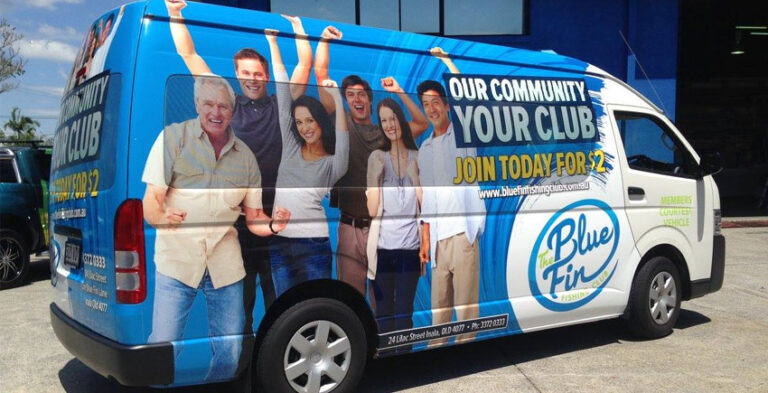
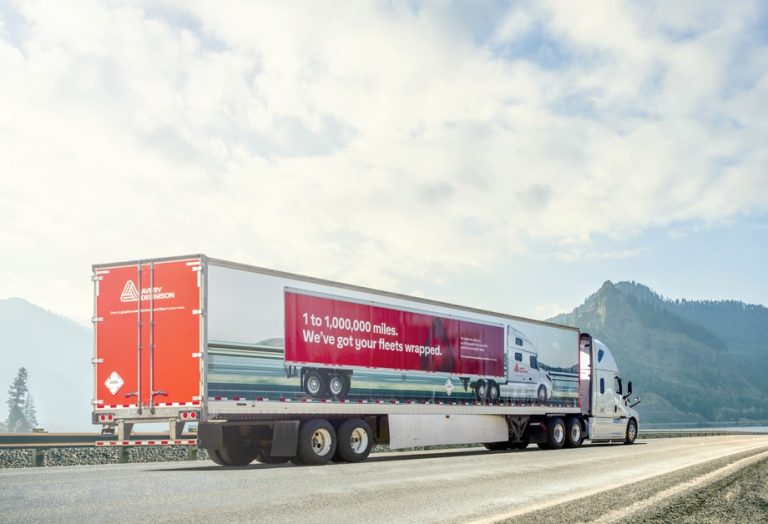
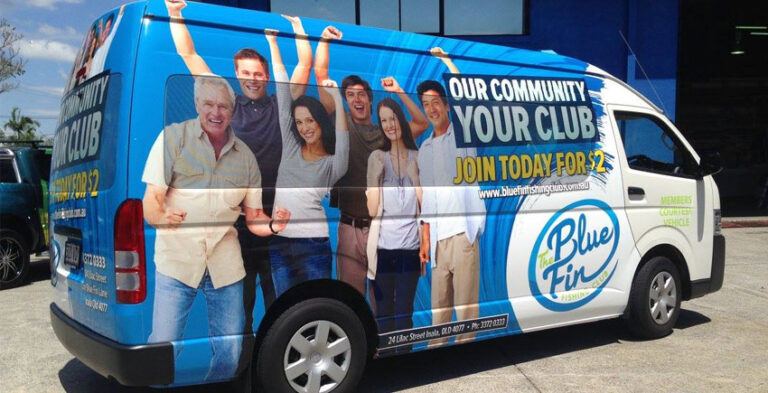
For a small business, the car used every day for appointments or deliveries can become a consistent part of the brand. Clear car branding helps customers connect the company name they saw online with the vehicle arriving at their premises. The aim is not to fill every panel but to choose details that communicate professionally and stay useful as the business grows.
This guide focuses on business messaging and design discipline for one-person enterprises. For finished graphics, the design should suit the specific vehicle rather than rely on a one-size-fits-all template. Practical planning matters as much as appearance: messages need to stay readable, the installation surface must be suitable and relevant safety features need to remain unobstructed.
Start with the business name and service
Small businesses often offer several related services, but a long catalogue is hard to read on a moving car. Pick the main category the public should remember and place it near the logo. A landscaping team might use its name and “Garden maintenance”; a technician could feature an accurate trade description. Put secondary services on your website instead of crowding the vehicle.
Choose a practical location for contact details
A short website address or a clearly presented phone number can work better than several social media accounts and a QR code that people cannot scan safely from a moving vehicle. Consider the rear and sides separately. Contact information must be accurate, legible and easy to remember. Review the wording from several metres away before approving the design.

Make the design suit client visits
A vehicle parked at a customer’s property forms part of their first impression. Tidy lettering and consistent company colours can make the business look organised. Avoid decorative elements that make the logo difficult to identify. If the business has uniforms, invoices or a shop sign, use the same typography and palette to connect the visual experience.
Plan for a changing vehicle fleet
A business may start with one car and later use a bakkie or van. Develop a core graphic system that can scale to different sizes. The logo and contact details should remain consistent even if their exact placement changes. Retain approved artwork files and basic layout rules; this makes future vehicles easier to integrate.
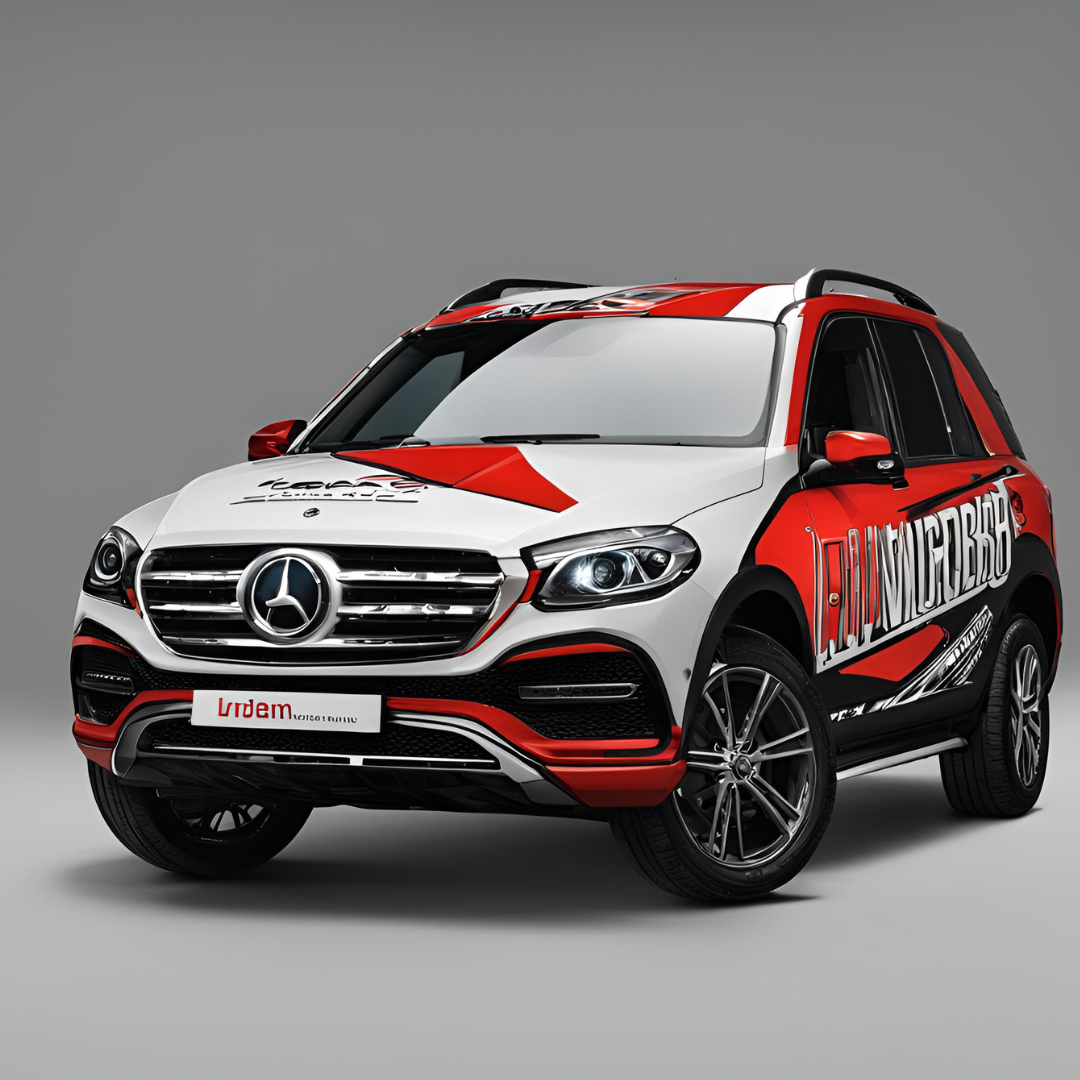
Use the vehicle body colour to your advantage
If the car’s original colour matches your brand, graphic shapes can complement it rather than completely covering it. If the body is a strong contrasting colour, a clear light or dark logo treatment may be enough. Ask for side and rear proofs on the actual vehicle photograph, not just a blank template.
Prepare a simple approval checklist
Before installation, verify logo quality, correct contact details, spelling, readability and panel placement. Share photographs showing existing trim or accessories that may affect artwork. Check whether vehicle visibility features remain clear. If the company operates around Johannesburg, mention the suburb and vehicle availability when requesting installation arrangements.
Checklist before you approve the artwork
- Identity: Check the company name, vector logo, brand palette and typography for consistency.
- Vehicle: Identify the exact model, body colour, panel condition, door openings and accessories.
- Message: Put the most important service or brand claim first, and keep the wording concise.
- Layout: Review both sides and the rear at a distance as well as close up.
- Practicality: Avoid obscuring vehicle lighting, registration details, driver sightlines and safety features.
- Approval: Confirm spelling, contact details and final artwork placement before installation.
Frequently asked questions
Do I need a complicated design for one business car?
No. A simple, readable identity can communicate effectively without extensive graphics.
What is the most useful information to display?
A recognisable business name, concise service description and one clear contact method.
Can branding be adapted to a different car later?
Yes. The visual identity can remain consistent while adjusting placement to another body shape.
Should I put a QR code on the car?
Only if it is useful and safely scannable while the vehicle is stationary. Clear text remains important.
Putting the design into practice
Make the decision from the way your vehicle is actually used and what a potential customer needs to recognise. Choose clarity over an overcrowded layout, keep the brand consistent with other business materials and review final placement on the real body shape. Kayma Signs can discuss the desired vehicle graphics and the information needed to develop a suitable design.
Explore car branding services, compare related car wraps and send your vehicle details for a project enquiry.
Practical business applications and design decisions
A mobile service business
A person providing an on-site service may park outside customers’ properties several times a day. Clear company identification is useful because the vehicle is seen in a professional context. Make the logo prominent and explain the service in a few words. If the business works by appointment, cluttering the car with long promotional claims is rarely necessary. Think about whether a customer seeing the vehicle outside a neighbour’s house would immediately recognise the type of business.
A food or parcel delivery operator
A small delivery business needs a recognisable company name that people can associate with an arriving order. Side-door graphics and a clear rear identity can be helpful because the vehicle may be observed while loading, unloading or stopped. Keep important artwork away from surfaces that are frequently handled. If the operator later adds a small van, the same logo and colours can be adapted into a coordinated identity.
A business with a future fleet in mind
Even if the company currently owns only one car, standardising colours, fonts and approved contact wording makes future growth easier. Save the branding files and model-specific placement proof. When a second vehicle is a different colour or body shape, a designer can preserve the brand without stretching the original layout awkwardly. Consider the vehicle design as part of the business’s broader visual identity rather than a once-off decoration.
Evaluate the final small-business design
Before approval, show the mockup to someone unfamiliar with the company and ask what they understand from it. They should be able to identify the company name and the broad service without needing a long explanation. Recheck the phone number or website carefully, and consider whether the graphics remain legible in shade. The most helpful result is an uncluttered identity that customers can recognise wherever the vehicle appears.