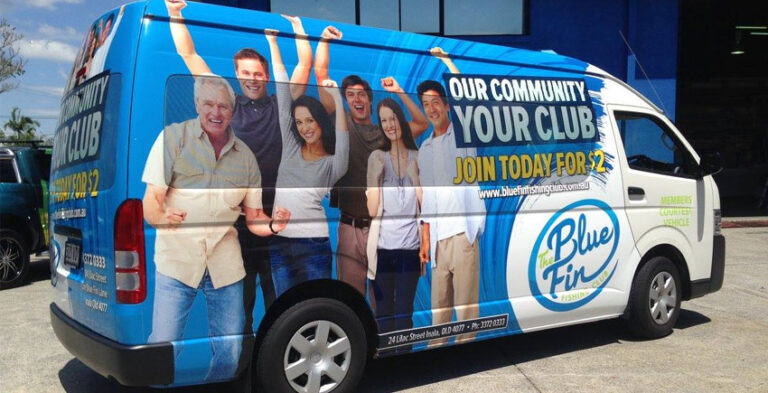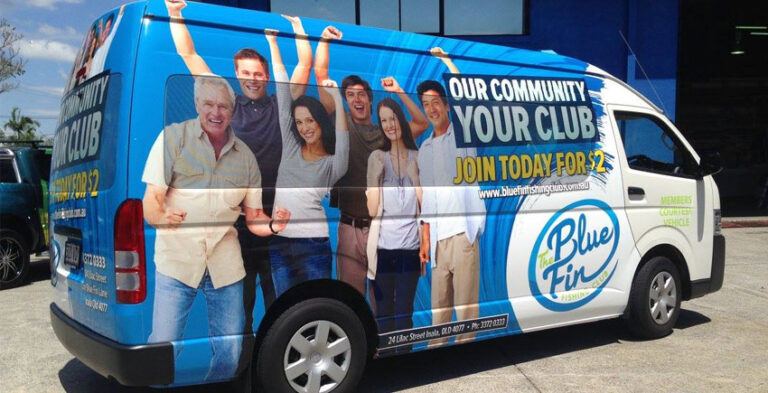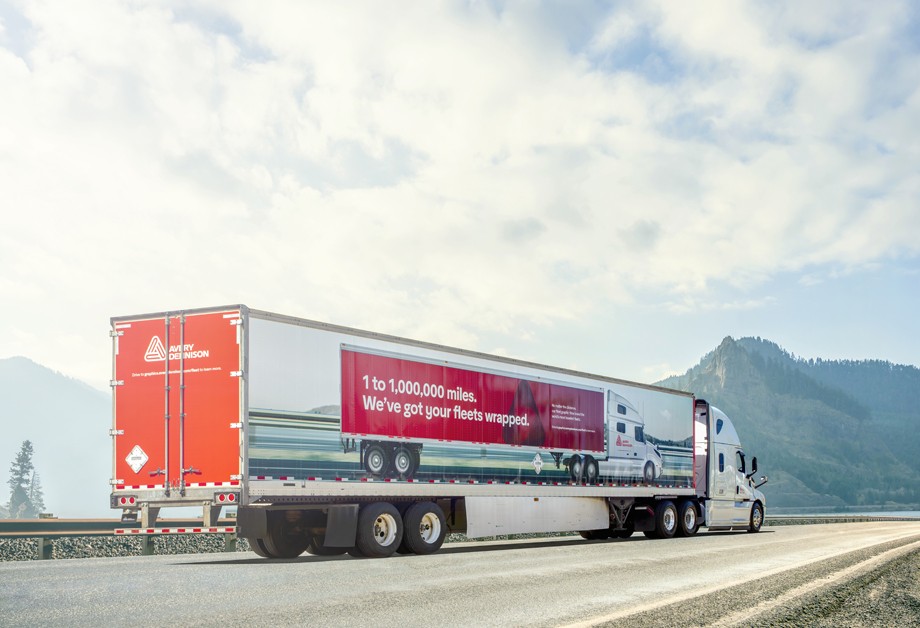
Fleet branding needs more planning than placing a logo on each vehicle separately. A company with several cars, vans or trucks must keep a consistent identity while accounting for different sizes, body styles and working schedules. A useful fleet strategy defines what must look the same and what can change between vehicles.
For a useful result, match the graphic design to the vehicle’s actual bodywork and the way the vehicle is seen in daily business. The planning steps below help you evaluate options and prepare a clear installation brief.
Create a recognisable brand system first
Begin with the official logo, colour references, typography and a concise service description. Decide which elements should appear on every vehicle. It may be helpful to define an approved light and dark logo variant for contrasting body colours. This becomes the foundation for the whole fleet. When the identity is unclear, each vehicle can end up looking like a separate campaign rather than part of one business.
Audit the fleet before designing
List each vehicle’s make, model, type and available panels. Record whether it has roof racks, sliding doors, commercial body fittings or other equipment. Photographs from all sides allow the designer to identify realistic placement options. A small car offers different proportions from a high-roof van; a truck may have a separate branded cab and load body. The audit is what makes a coordinated layout possible.
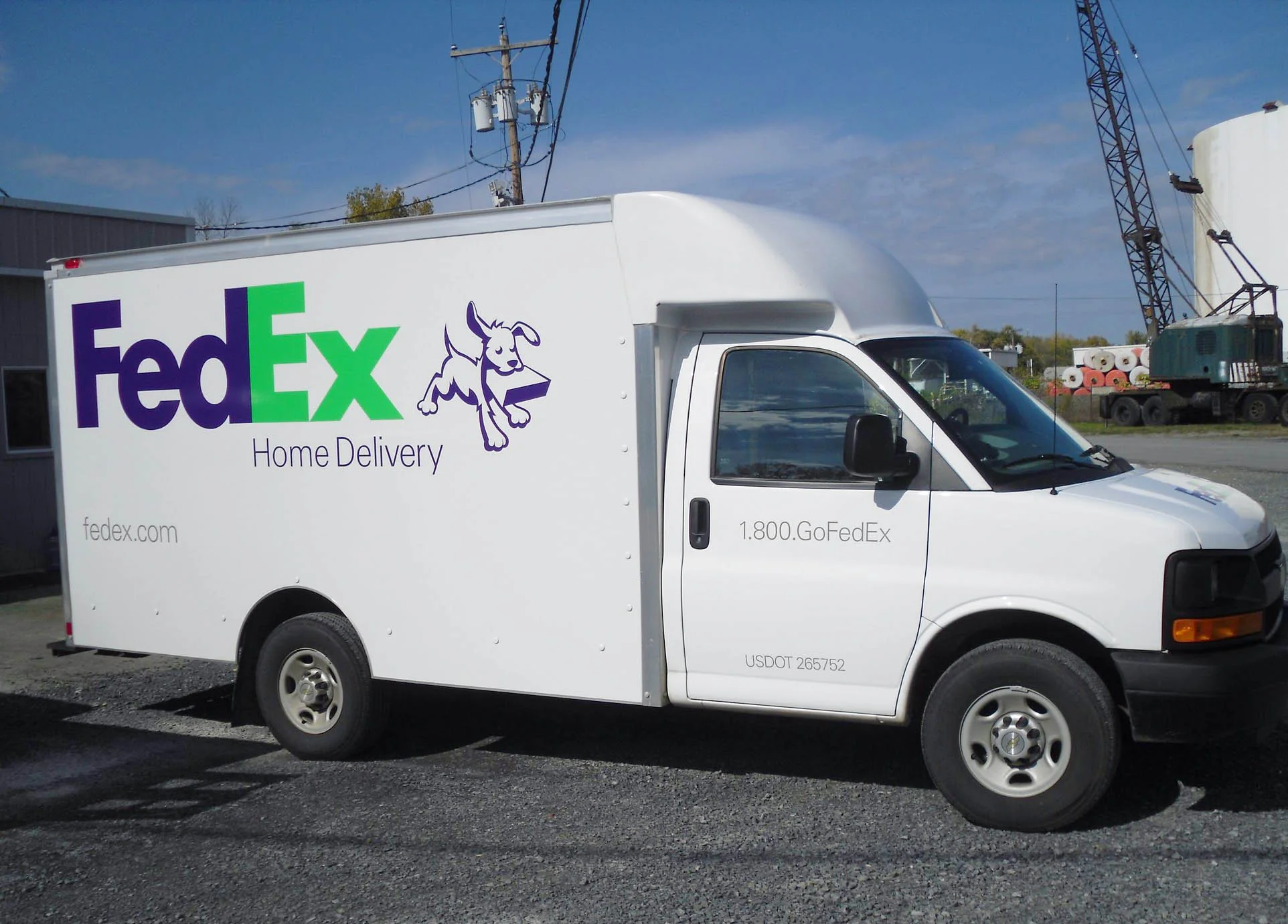
Use flexible templates for different bodies
Instead of stretching one master image to fit every vehicle, build repeatable layout rules. The logo might sit on the front door for small vehicles and on the side body for larger trucks. A colour band can change width while preserving a recognisable visual treatment. Keep the hierarchy consistent: company identity first, service line second, contact method third. This helps the fleet remain recognisable at different scales.
Treat rear and side panels separately
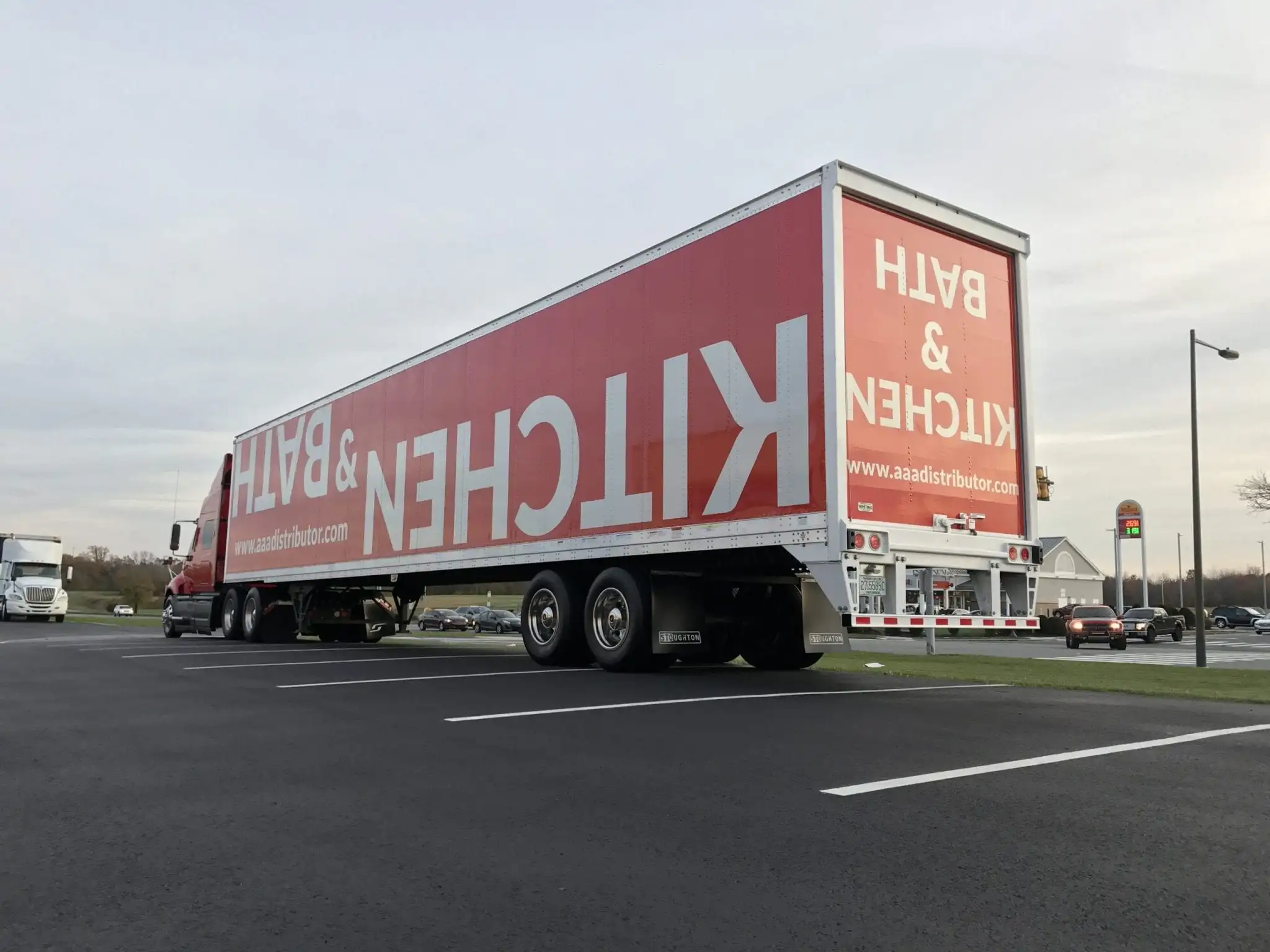
Customers may mostly see the rear of delivery vans and the sides of site-service trucks. A coordinated fleet should account for both viewing patterns. Rear doors can carry concise identification, while larger side panels offer room for stronger branded shapes. Avoid body hardware and moving openings. Provide model-specific rear views in the approval set rather than using one universal template.
Build an organised rollout process
A fleet may not all be available for installation at once. Collect a list of vehicles and their operating schedules so the branding project can be planned in practical groups. Keep approved artwork and materials documented. Note any vehicles that have nonstandard accessories or bodywork. A repeatable process reduces avoidable inconsistencies when new vehicles are added later.
Keep brand details accurate across locations
If vehicles travel around Johannesburg or elsewhere in Gauteng, make sure the business name and contact details are consistent across them. Do not display service areas or capabilities the business cannot confirm. A coordinated graphics system should remain accurate when a vehicle changes route or branch. Keep central brand files and a current list of approved text.
Review consistency after installation
Photograph completed vehicles from similar angles and compare logos, spacing, colour treatment and contact details. Record any adaptations made for unusual panels. This creates a useful reference for future additions and repairs. A fleet that grows over time needs an maintained artwork standard rather than relying on memory or different installers’ interpretations.
Practical artwork and vehicle checklist
- Vehicle details: Confirm the make, model, type and approximate surface dimensions.
- Brand files: Gather the approved logo, typography, colours and exact wording.
- Working conditions: Identify where the vehicle is normally parked, driven and loaded.
- Layout: Review both sides and the rear, including door movements and body fittings.
- Readability: Test the company name and service message at reduced viewing size.
- Final proof: Check all wording, registration visibility and other safety features before approval.
Frequently asked questions
What is a fleet branding strategy?
A plan for consistent logos, colours, wording and graphic placement adapted across multiple business vehicles.
Does every vehicle need identical graphics?
No. Visual rules stay consistent, while scale and layout must suit different body types.
What information helps with a fleet rollout?
A list of vehicles, photographs, schedules, locations, approved artwork and contact wording.
Can a new vehicle join an existing branded fleet?
Yes. A documented visual system makes later additions easier to match.
Bring the branding brief together
Professional vehicle graphics should be easy to recognise, visually consistent and practical for the vehicle’s normal duties. Give the designer accurate photographs and brand materials, then confirm each graphic’s placement on the actual bodywork. A clear brief keeps attention on the most useful design decisions.
Explore fleet branding services, compare car branding, van wraps and truck branding, or send the vehicle details to Kayma Signs.
Real-world design scenarios and practical decisions
A three-vehicle example
Imagine a business with a small car, a panel van and a rigid delivery truck. The car might use door logos and rear lettering, the van could carry larger side graphics, and the truck might use a broad branded panel on its load body. All three can share the same logo, colours, typography and short service description. This is an illustrative planning example, not a claim about a completed customer project. It shows why consistency is different from identical placement.
A practical approval flow for several models
Collect vehicle photographs and model details, approve the core brand system, then prepare a specific layout for each vehicle type. Review the side and rear placements with the relevant doors and fittings in view. Verify company wording once centrally and apply it consistently. A single approval checklist across the fleet can reduce mistakes when installation takes place in multiple sessions.
Planning for replacement and future additions
Businesses replace cars or add vans and trucks over time. Keep final artwork, colour references and any material specifications after the first rollout. A future vehicle may require different panel dimensions, but it can still carry the approved identity. Photograph the completed graphics to create a visual reference. Treat the fleet design guide as a maintained company resource rather than a file that is forgotten after the first installation.
A useful local fleet coordination note
When vehicles are based at different sites in Johannesburg or Gauteng, identify their locations and availability in the project brief. Do not assume that every location has the same access or installation arrangements. Note any time limitations because vehicles may be needed for normal business operations. This information helps frame a realistic discussion about how to coordinate branding while maintaining a consistent visual result.