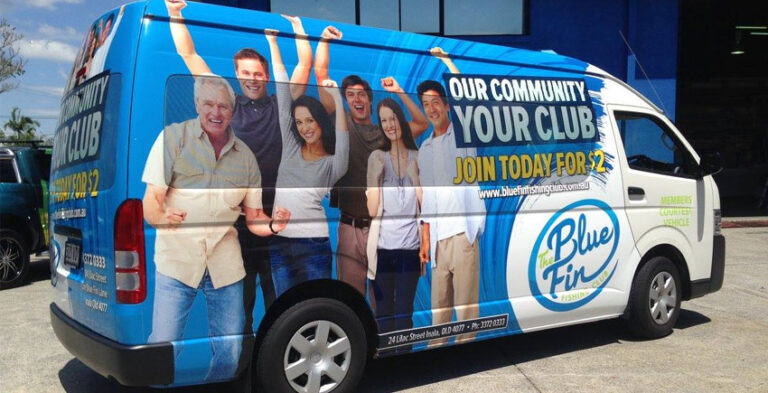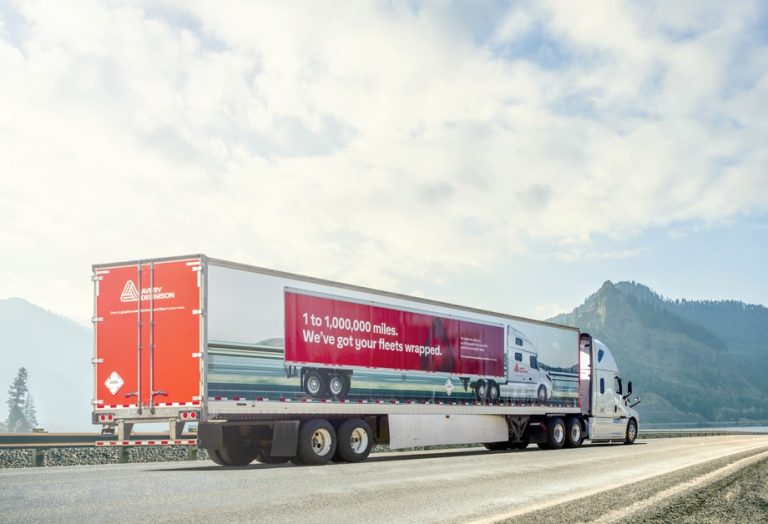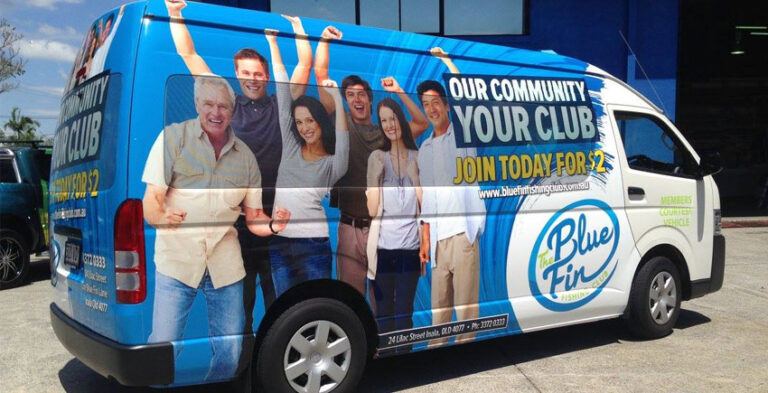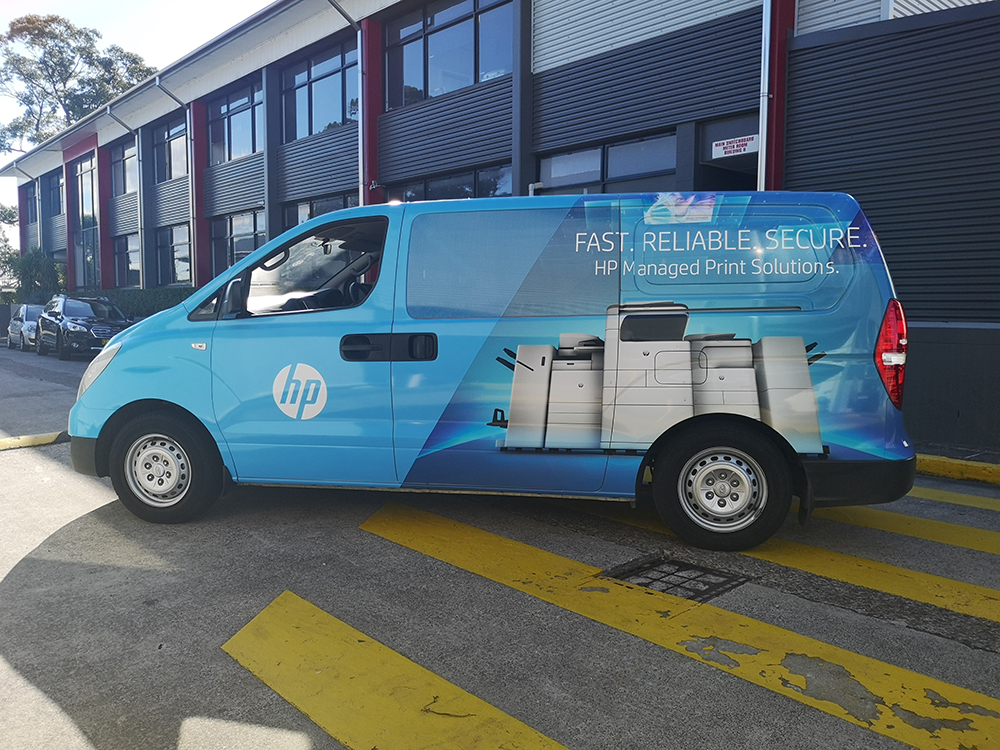
Choosing between full and partial van wrapping is a design decision, not merely a question of how much film goes onto the vehicle. A full wrap can create a connected visual identity; a partial wrap can use the van’s existing body colour to frame a bold message. Delivery and service vans also have sliding doors, windows and rear openings that make good artwork planning essential.
The examples below focus on choosing suitable layouts, preparing accurate information and making graphics that work on real commercial vehicles. Each vehicle must be assessed for its physical condition, openings and working environment before production.
Understand full van coverage
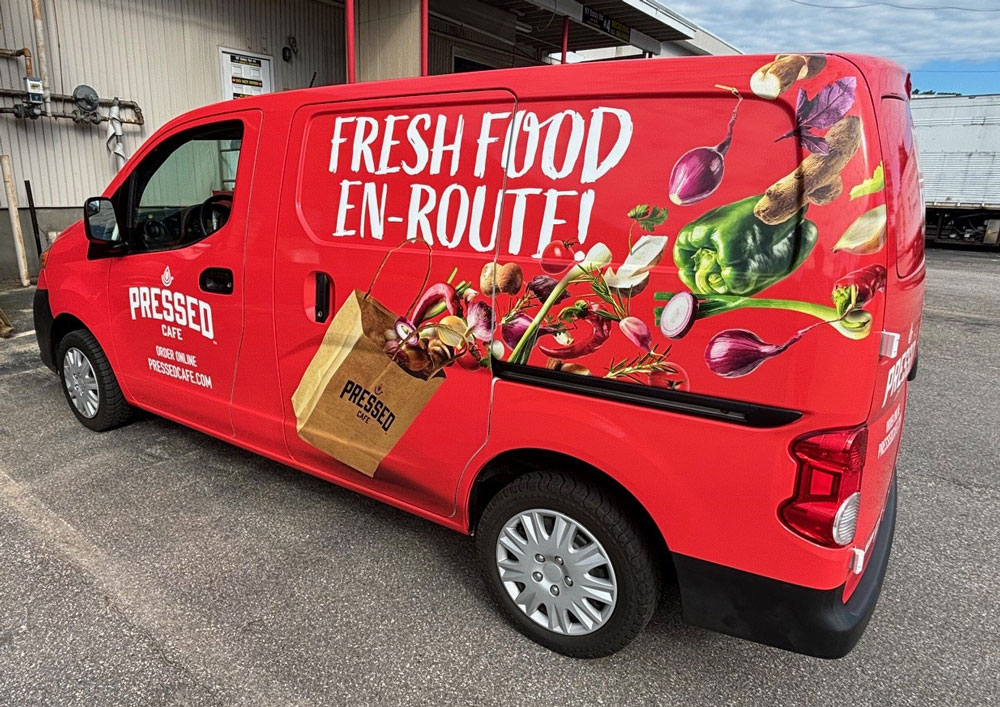
A full van wrap typically uses film across most suitable exterior panels. This creates a broad surface for brand colours, large illustrations or campaign graphics. Van bodies may be tall and flat, but their door tracks, handles, seals and roof contours still interrupt the design. The final coverage needs to be specified for the exact model, because some areas may require separate treatment or should not be included.
Use a partial wrap to create a deliberate visual band
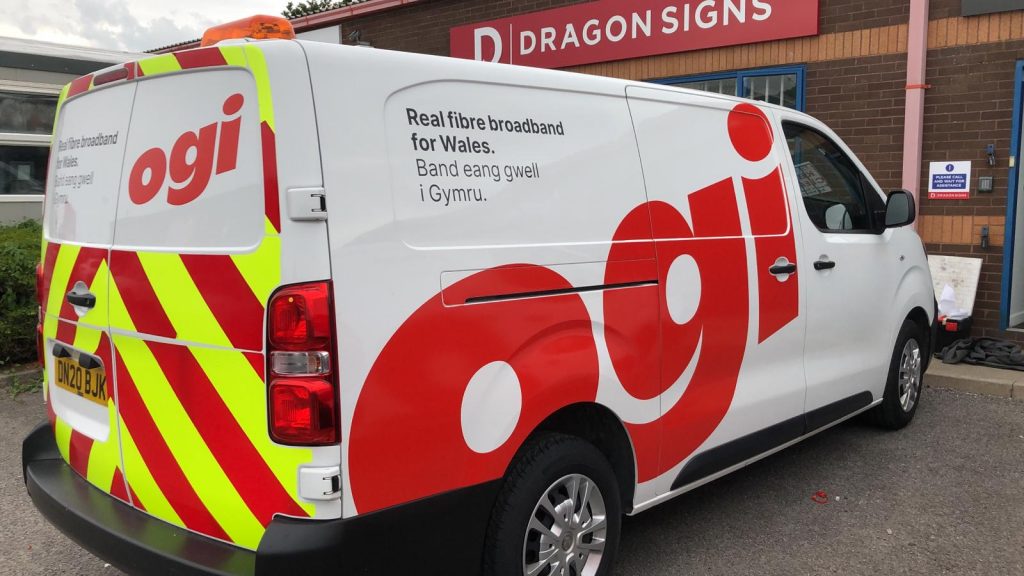
Partial wrapping can concentrate the artwork on side panels, lower sections or the rear doors. The unwrapped body colour becomes part of the final design. A strong colour block behind the logo can be visually effective without extending to every surface. The boundaries of the printed area should look intentional; avoid shapes that appear abruptly cut off where a panel changes direction.
Plan for delivery-van viewing angles
Delivery vans are often seen at loading bays, shop entrances, kerbs and customer driveways. That means the side and rear views may matter more than the front. A design should communicate the company name even when only one side of the van is visible. Consider what remains legible when the sliding door is open or the rear doors are folded outward. Put the essential brand elements where those movements will not hide them.
Protect legibility on tall panels
Tall van bodies allow larger lettering, but the extra space can tempt designers to add too many lines of text. The public usually needs the logo, the business type and one contact route. Use contrasting colours and leave breathing space around the company name. Test a mockup at reduced scale. Tiny bullet lists and detailed service descriptions are better placed on the company website.
Build around different van sizes
A compact courier van and a tall panel van cannot use exactly the same artwork dimensions. Keep a consistent visual hierarchy but adjust logo scale, the position of supporting text and the length of colour fields. When branding a mixed fleet, record a few rules: primary logo location, preferred contrast and a safe area around body hardware. Adapt the rules to each model rather than stretching one image indiscriminately.
Care and changing vehicle use
The finished graphics need appropriate cleaning, careful handling near door edges and maintenance according to the film supplier’s instructions. If the van receives additional fittings later, such as ladder racks or refrigeration equipment, check whether those changes will obscure the artwork. Keep the approved design files and film information for future bodywork repairs or matching vehicles.
Make the choice with an accurate mockup
Ask for side and rear views showing both full and partial treatments on the specific model. Compare the two not simply by size but by clarity, contrast and how well the brand communicates. The best treatment may combine a partial printed graphic with crisp vinyl lettering. Confirm final placement around windows, handles and safety features before production.
Practical project preparation checklist
- Vehicle identification: Record the make, model, body style, year and relevant dimensions.
- Photographs: Photograph the left side, right side and rear, including any working equipment.
- Artwork: Supply an approved business logo, correct company name, brand colours and text.
- Viewing conditions: Decide where the vehicle is usually parked and what is visible in normal use.
- Body limitations: Identify doors, hinges, windows, trim, registration details and safety features.
- Proofing: Check artwork placement, contact details, logo readability and how the graphics appear at reduced size.
Frequently asked questions
Does a full van wrap cover every section?
Not always. The agreed scope and the suitability of each surface determine the final coverage.
Can partial wraps work across several vans?
Yes, provided the shared design is adapted to different sizes and body features.
What should appear on the rear doors?
A recognisable logo, brief service description and a clear contact method are usually enough.
Do van windows require special consideration?
Yes. Visibility, safety and legal requirements should be assessed before applying graphics to windows.
Take the next step with a clear vehicle brief
Good branding comes from balancing a strong visual identity with the vehicle’s everyday use. Instead of copying a layout from a different model, provide photographs and discuss the available panels and the main message. A practical design brief gives the project a stronger foundation.
Explore van wraps, related truck branding and fleet branding, or contact Kayma Signs about your commercial vehicle graphics.
Real-world design scenarios and practical decisions
A courier van that customers identify from the rear
A courier or local delivery service may spend much of its working day stopping at buildings and loading areas. People often see the rear doors first. A full wrap can extend the brand across the van, while a partial design can keep the rear identity clear and use a coordinated graphic on the sides. Either way, a concise company name and legible service descriptor should take priority over tiny text.
A tradesperson’s van with side-panel graphics
Electricians, cleaning teams and installation contractors may park outside customers’ properties. The sides then become an important communication space. A partial wrap can concentrate attention on a trade description and logo without making the entire body visually busy. A full wrap may suit a company that uses strong brand colours and illustrated artwork. Both should account for sliding doors, racks and windows.
A small and large van in the same fleet
A compact delivery van and a high-roof panel van have very different proportions. Rather than stretching one wrap design to fit both, keep the same logo, colours and primary message while changing the size and placement. Decide which surfaces carry the clearest branding in each model. This creates family resemblance without pushing vital information into door seams or awkward body contours.
Evaluate the design with doors open and closed
Van wrapping requires more than a flat side view. Ask to see the side artwork with the sliding door position in mind and review the rear graphics with both doors closed. Keep primary lettering away from sections that become hidden or distorted during everyday use. Confirm the exact vehicle model, accessories and installed film requirements. A practical design should be legible when the van is moving, loading and parked.