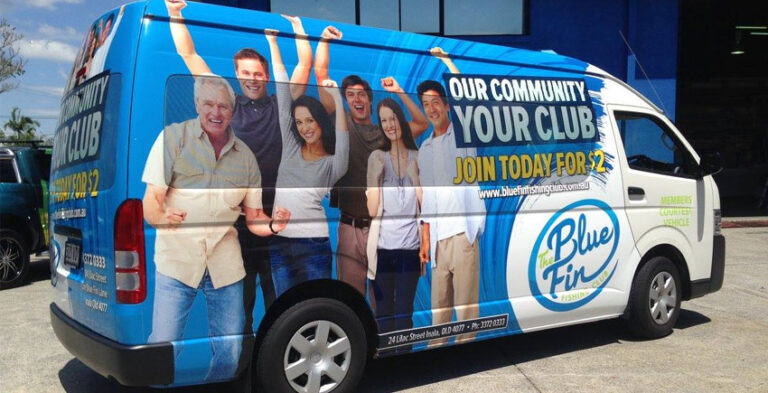
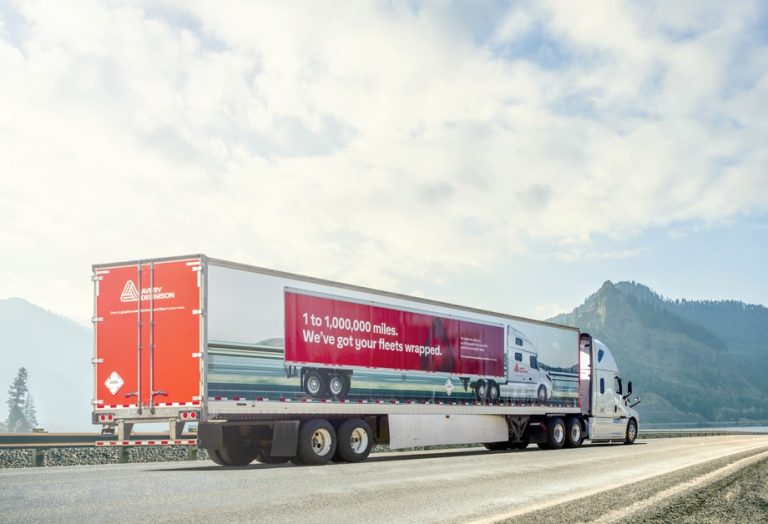
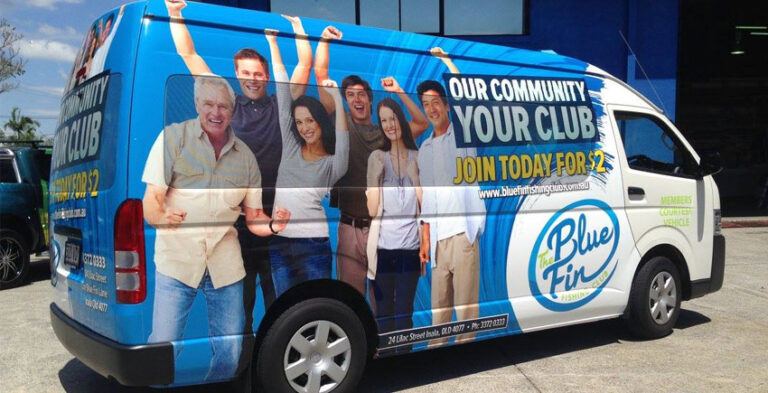
Vinyl car wraps give businesses flexible ways to display graphics on vehicles without relying on traditional painted advertising. They range from larger printed panels to carefully arranged lettering and brand shapes. Understanding how the material is used helps companies plan artwork that remains legible on real car bodies.
This guide focuses on film applications and layout decisions rather than generic benefits. For finished graphics, the design should suit the specific vehicle rather than rely on a one-size-fits-all template. Practical planning matters as much as appearance: messages need to stay readable, the installation surface must be suitable and relevant safety features need to remain unobstructed.
Printed vinyl and cut lettering are not identical
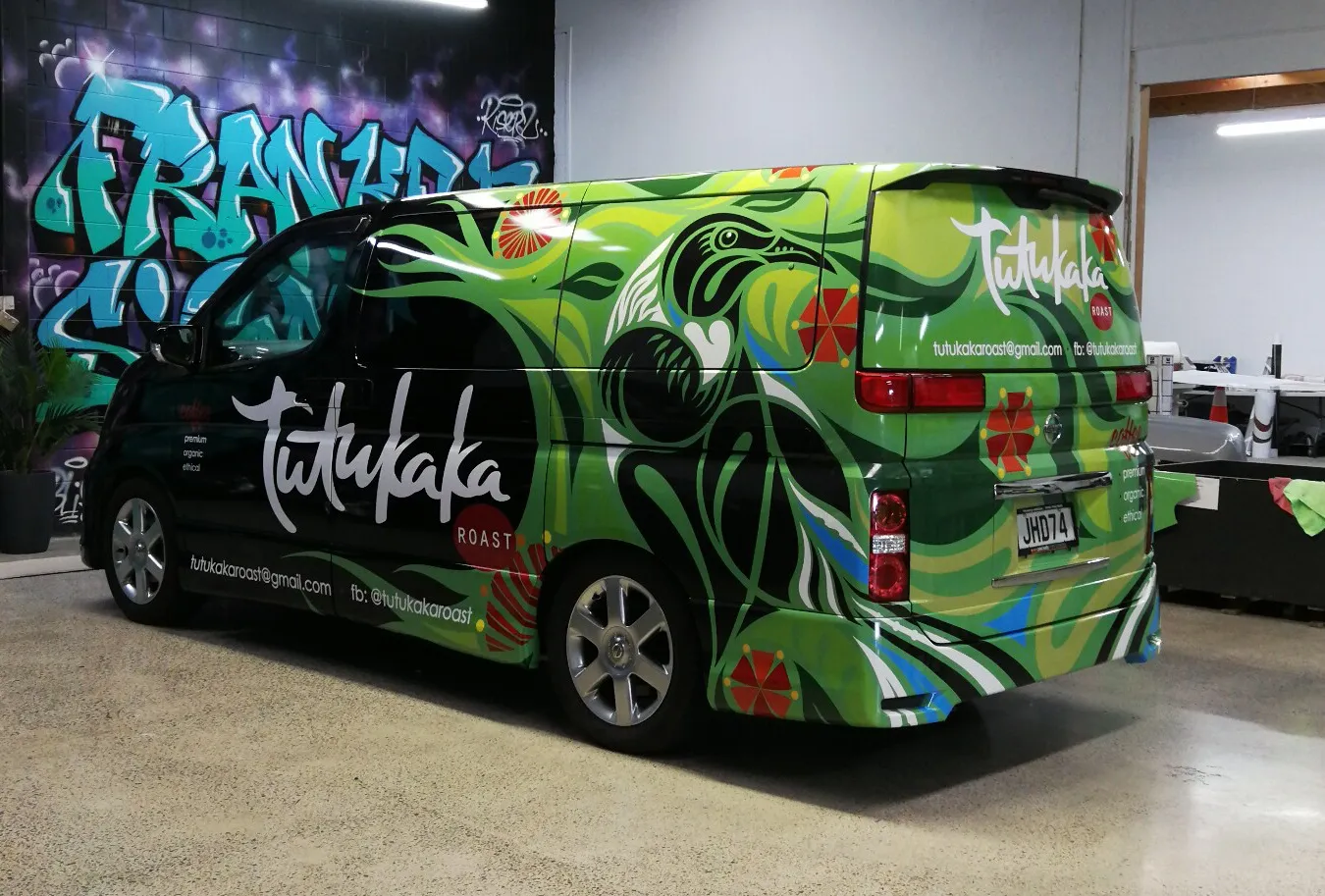
Printed wrap film carries artwork across a broader surface. Cut vinyl lettering uses individual shapes or characters for logos and text. Both may appear in the same project, but they create different visual effects. A photograph or gradient usually needs a printed solution; a simple high-contrast company name can work as individual cut letters. Discuss the intended design before selecting a material, rather than treating all vinyl graphics as interchangeable.
Full panels and selective accents
Vehicle graphics do not need equal coverage everywhere. A coloured panel on the doors, a rear-quarter motif and a restrained bonnet accent can create a connected look. The car’s original colour should be part of the design discussion. When artwork covers multiple panels, plan how shapes continue across seams and whether a missing section will disrupt the message.
The role of finish and surface texture
Wrap materials may have different surface appearances depending on the chosen product. Glossy surfaces can reflect more light, while matte-looking finishes change how colour and contrast are perceived. Product availability and suitability vary, so confirm the exact material and installation method before relying on a particular appearance. The design proof should make the visual intent clear without promising that a screen preview perfectly reproduces the installed film.
Where vinyl graphics should not be placed casually
Lights, mirrors, number plates, critical sightlines and other safety features must not be obscured. Some windows require specialist films and legal considerations; ordinary opaque vehicle lettering should not be installed there without assessing the implications. Door handles, deep recesses and complex trim may also require design adaptations. A professional site inspection can prevent artwork decisions that look good on a flat template but are unsuitable for installation.
Maintaining graphic quality over time
Keep the vehicle reasonably clean and follow the film supplier’s maintenance guidance. Avoid harsh tools that could damage edges or printed surfaces. If a body panel is repaired, the original graphic file and material details can help with replacement. Storage, use and exposure affect appearance over time, so avoid unsupported claims about an exact lifespan for every vehicle and film.
Plan a practical commercial wrap
Start with a logo, concise message and vehicle photographs. Agree which areas should display a strong brand impression and which can stay visually quiet. Request a proof showing each side and the rear, then check spelling, proportions and readability. For related logo and lettering work, compare car branding; for different vehicle types, see the full vehicle-branding service.
Checklist before you approve the artwork
- Identity: Check the company name, vector logo, brand palette and typography for consistency.
- Vehicle: Identify the exact model, body colour, panel condition, door openings and accessories.
- Message: Put the most important service or brand claim first, and keep the wording concise.
- Layout: Review both sides and the rear at a distance as well as close up.
- Practicality: Avoid obscuring vehicle lighting, registration details, driver sightlines and safety features.
- Approval: Confirm spelling, contact details and final artwork placement before installation.
Frequently asked questions
Is vinyl wrapping only for full vehicle coverage?
No. Vinyl is also used for partial graphics, coloured accents, logos and lettering.
Can printed graphics and lettering be combined?
Yes. Different vinyl applications can form one coordinated branding layout.
Does vinyl work on every vehicle surface?
Suitability varies by panel condition, curvature, material and installation method. A vehicle assessment is important.
What information is needed before a wrap?
Vehicle make, model, photographs, artwork, desired coverage and accurate contact details are useful.
Putting the design into practice
Make the decision from the way your vehicle is actually used and what a potential customer needs to recognise. Choose clarity over an overcrowded layout, keep the brand consistent with other business materials and review final placement on the real body shape. Kayma Signs can discuss the desired vehicle graphics and the information needed to develop a suitable design.
Explore car wrapping services, compare related car branding and send your vehicle details for a project enquiry.
Practical business applications and design decisions
Print design versus solid-colour lettering
A photographic image or gradient generally requires a printable graphic treatment, while a simple company name may work as cut lettering. The difference affects how the artwork is prepared and how it should be positioned. A clean single-colour logo can stand out against the vehicle’s body without a large printed background. If printed film and lettering are combined, make sure their visual weight, spacing and colour references feel consistent when viewed together.
Surface preparation is part of the design decision
The condition of the vehicle surface matters. Dirt, damaged paint, previous adhesive or poorly repaired panels may create problems for adhesion or appearance. A photograph alone may not reveal every surface issue, so the vehicle should be assessed before installation. Avoid treating wrapping as a way to hide unknown paintwork problems. Clear expectations about substrate condition are important for both the installer and the owner.
How to think about film around curves
Door recesses, bumpers and strongly curved panels require more careful planning than broad flat sections. A design that depends on exact alignment across multiple curves may be difficult to reproduce consistently. Move the most important letters and logos onto flatter visible areas when possible. Use secondary colour fields or shapes around awkward contours. Confirm the intended material and the installer’s recommended approach for those surfaces rather than assuming every film behaves identically.
Keep artwork usable for later vehicle changes
Businesses sometimes change company cars or need to replace a panel after bodywork. Store a final production file and notes about the approved film and colours. If you later adapt the branding to a van or truck, preserve the logo, typography and message hierarchy but change the dimensions and placement. This keeps the identity recognisable without transferring a car-sized design unchanged onto a very different vehicle.